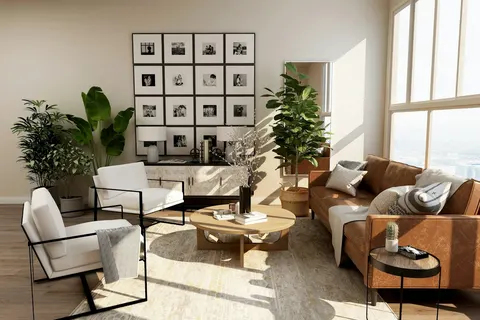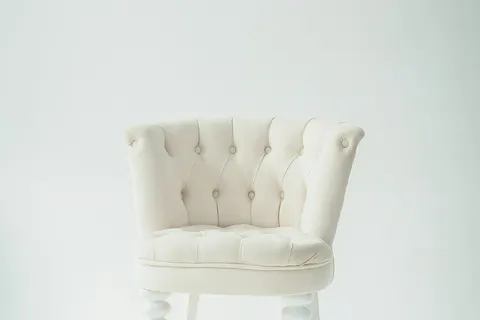
A reading corner does not need a separate library or a large armchair. It needs a seat you enjoy, light in the right place, and somewhere to put down a book. A neglected corner of a bedroom or living room can work if the arrangement respects the way you already use the space.
Borrow space before buying furniture
Try an existing chair in a few positions. Sit there at the time of day you usually read. Check whether people pass close by, whether a nearby screen distracts you, and whether you can reach a light without getting up. A position that looks appealing in daylight may feel uncomfortable in the evening.
Match the light to the task
Use a reading lamp with a shade or adjustable direction so light falls on the page without shining directly into your eyes. Check the lamp's instructions for suitable bulbs and safe placement. Keep cables out of walking routes. If you share the room, aim the light so it does not dominate everyone else's space.
Give the book a landing place
A narrow side table, sturdy stool, or clear shelf can hold a book and a drink. Keep it within easy reach. Avoid balancing hot drinks on upholstered arms or precarious piles. If space is tight, a small wall shelf may be more practical than another piece of floor furniture.
Keep the current stack small
Choose one book you are reading and perhaps a second option. Store the rest elsewhere. A towering stack can make the corner feel like another unfinished task. A bookmark and a small notebook are enough if you like recording thoughts; elaborate accessories are optional.
Make comfort personal
Test the seat for a full reading session before deciding it needs replacement. A cushion or footrest may help, but only if it suits the chair and your preferred position. Leave enough clearance to sit down and stand up easily. If the corner feels cramped, remove an object rather than squeezing in more.
Build a gentle habit
Leave the next book visible and give yourself a short, realistic reading window. The goal is an inviting place that you return to, not a perfectly styled scene. If you consistently read somewhere else, move the setup to that location and let your habits guide the design.